Archives
- 2026-07
- 2026-06
- 2026-05
- 2026-04
- 2026-03
- 2026-02
- 2026-01
- 2025-12
- 2025-11
- 2025-10
- 2025-09
- 2025-03
- 2025-02
- 2025-01
- 2024-12
- 2024-11
- 2024-10
- 2024-09
- 2024-08
- 2024-07
- 2024-06
- 2024-05
- 2024-04
- 2024-03
- 2024-02
- 2024-01
- 2023-12
- 2023-11
- 2023-10
- 2023-09
- 2023-08
- 2023-06
- 2023-05
- 2023-04
- 2023-03
- 2023-02
- 2023-01
- 2022-12
- 2022-11
- 2022-10
- 2022-09
- 2022-08
- 2022-07
- 2022-06
- 2022-05
- 2022-04
- 2022-03
- 2022-02
- 2022-01
- 2021-12
- 2021-11
- 2021-10
- 2021-09
- 2021-08
- 2021-07
- 2021-06
- 2021-05
- 2021-04
- 2021-03
- 2021-02
- 2021-01
- 2020-12
- 2020-11
- 2020-10
- 2020-09
- 2020-08
- 2020-07
- 2020-06
- 2020-05
- 2020-04
- 2020-03
- 2020-02
- 2020-01
- 2019-12
- 2019-11
- 2019-10
- 2019-09
- 2019-08
- 2019-07
- 2019-06
- 2019-05
- 2019-04
- 2018-11
- 2018-10
- 2018-07
-
In hypothalamus as indicated in Fig column A and following
2024-05-13
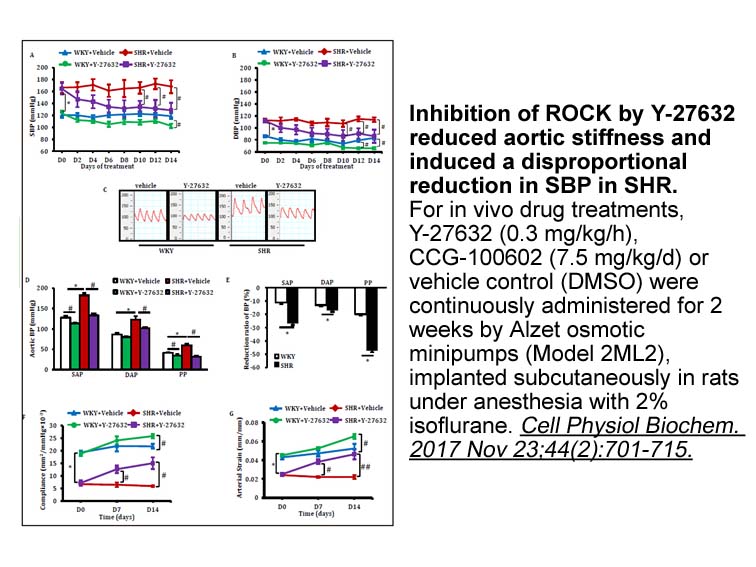
In hypothalamus, as indicated in Fig. 2 (column A) and following the enzymatic cascade represented in Fig. 1, we could hypothesize a predominance of Ang 2–10 and Ang III formation in SHR compared to WKY. This is in agreement with previous results that reported significant higher rate of Ang 2–10 for
-
br We approached the definition of AD with the distinction
2024-05-13
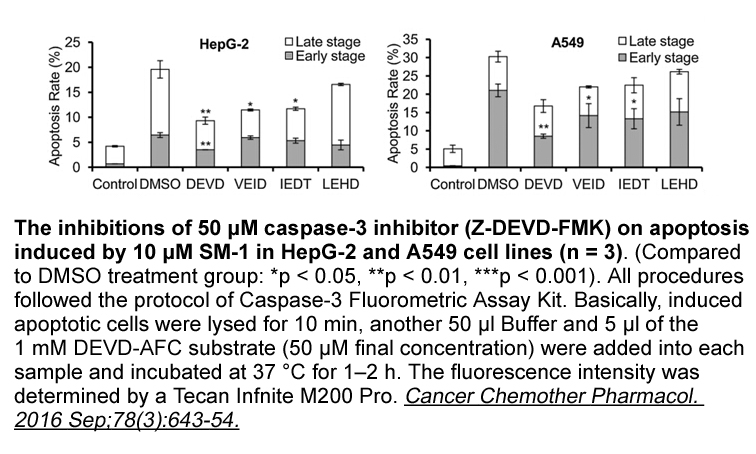
We approached the definition of AD with the distinction between a syndrome and a disease in mind. Some will argue that a specific syndrome, that is, a multidomain amnestic dementia (after other potential etiologies have been excluded), should define AD in living people. Our position, however, is t
-
Medium spiny neurons MSNs in the striatum start
2024-05-13

Medium spiny neurons (MSNs) in the striatum start from a deeply hyperpolarized resting membrane potential, slowly depolarize and show a delayed start of firing during a current injection (Kawaguchi, 1993, Nisenbaum and Wilson, 1995, Planert et al., 2013). The firing pattern during the current inject
-
Voluminous literature about the neuroendocrine mechanism of
2024-05-13
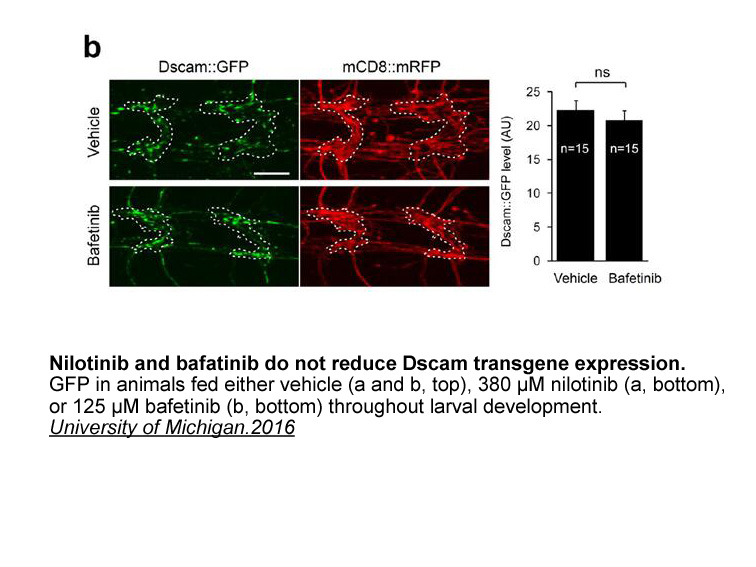
Voluminous literature about the neuroendocrine mechanism of reproduction and energy regulation has emerged from studies involving mammalian species. The avian infundibular nucleus (equivalent structure to the mammalian arcuate nucleus) consists of two neuronal populations, one of which expresses neu
-
br Introduction The chronic inflammation is one of
2024-05-13
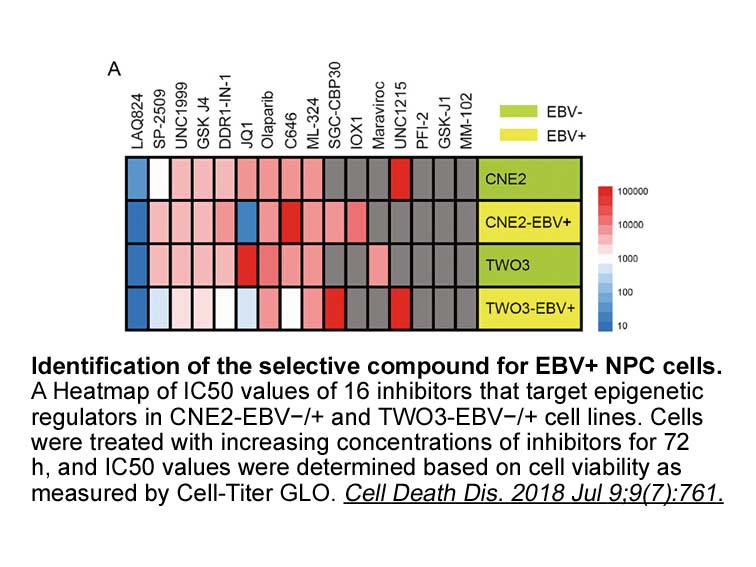
Introduction The chronic inflammation is one of the leading events involved in the aetiology of many chronic-degenerative diseases including diabetes, atherosclerosis, arthritis and cancer (Coussens and Werb, 2002). Monocytes/macrophages lineage plays an important role during inflammation through
-
In model plant Arabidopsis there are myosin XI isoforms XI
2024-05-13
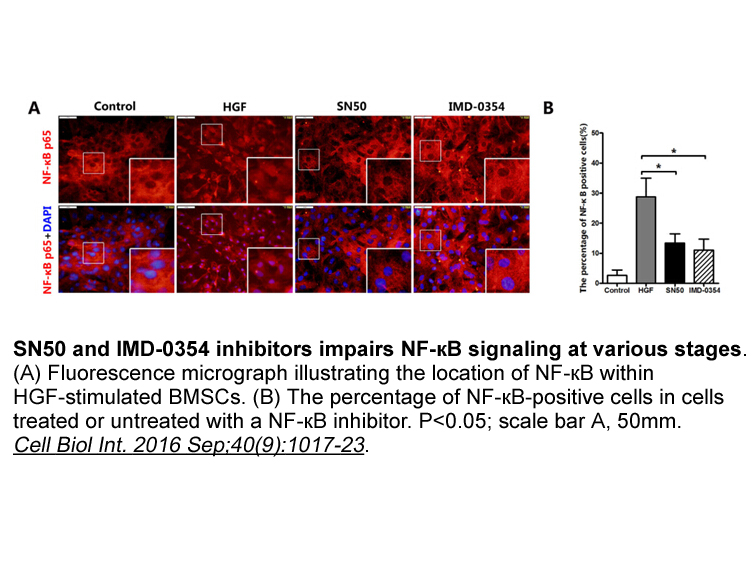
In model plant Arabidopsis, there are 13 myosin XI isoforms (XI-1, XI-2, XI-A, XI-B, XI-C, XI-D, XI-E, XI-F, XI-G, XI-H, XI-I, XI-J, and XI-K) and 4 myosin VIII isoforms (ATM1, ATM2, VIII-A, VIII-B) [9,13]. Arabidopsis myosin XIs have the common domain composition: a motor domain that interacts with
-
The bovine Ack is called Ack bAck and
2024-05-13
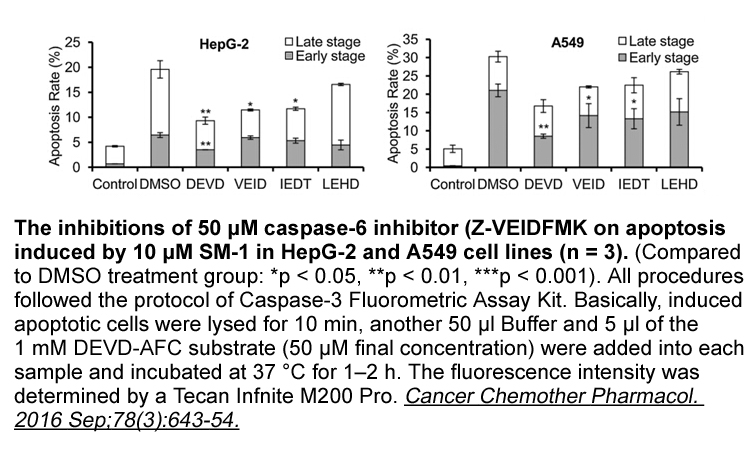
The bovine Ack is called Ack2 (bAck2) and has been suggested to act as a clathrin-assembly protein regulated by the small GTPase Cdc42 [17]. bAck2 lacks some of the C-terminal parts when compared to hAck1 and mAck1. Both Ack1 and Ack2 have been demonstrated to interact with sorting nexin 9 (SNX9 or
-
br Free entry equilibrium At stage of the
2024-05-13
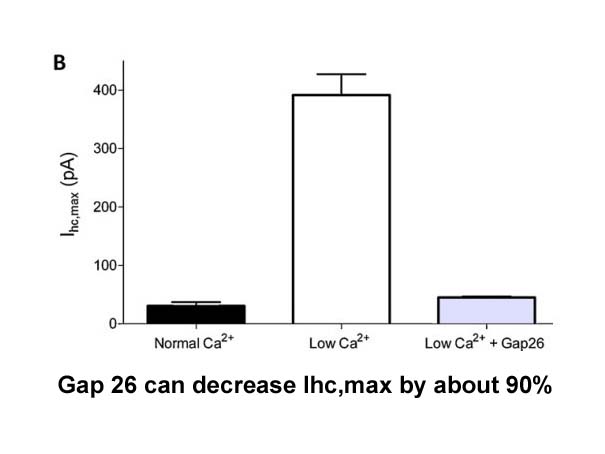
Free entry equilibrium At stage 2 of the game, n ≥ 2 firms simultaneously decide whether or not to enter the industry. Market entry involves a sunk fixed cost f > 0, which we assume cannot be subtracted from the tax base. Our assumption reflects that deductions of market entry costs are often inc
-
While the direct effects of
2024-05-13
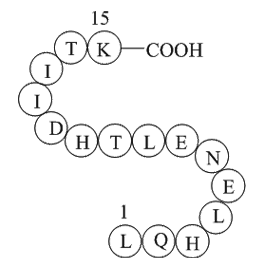
While the direct effects of 5-ARI lead to a dramatic Cephalexin in serum DHT levels, other laboratory values are also affected by 5-ARI use. Serum testosterone elevations are known to occur with both finasteride and dutasteride use, but values will typically remain within the normal laboratory range
-
Young disease transitioning B Sle mice
2024-05-13
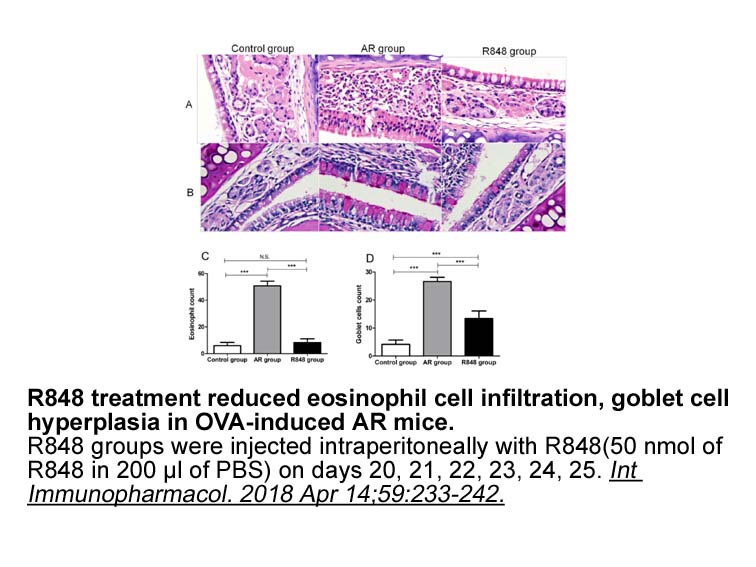
Young disease-transitioning B6·Sle1 mice show partial loss of leukocyte Axl versus B6 controls (data not shown). Further, BMDM from diseased B6·Sle1.Yaa mice do not express detectable levels of ADAM10 and TACE (ADAM17) but do express basal levels of Axl similar to wild type B6-derived BMDM (Suppleme
-
Having established the structural requirements for potency i
2024-05-13
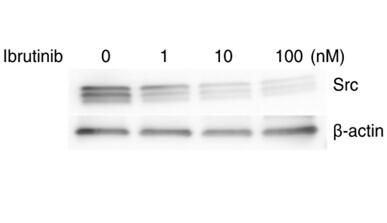
Having established the structural requirements for potency in both the biochemical and biomarker (CRA) assays, we evaluated key compounds in the metabolic stability assay. Disappointingly, we found that all compounds had high intrinsic clearances in mouse microsomes. To ascertain whether the in vitr
-
br Introduction The process of mitosis is highly
2024-05-13
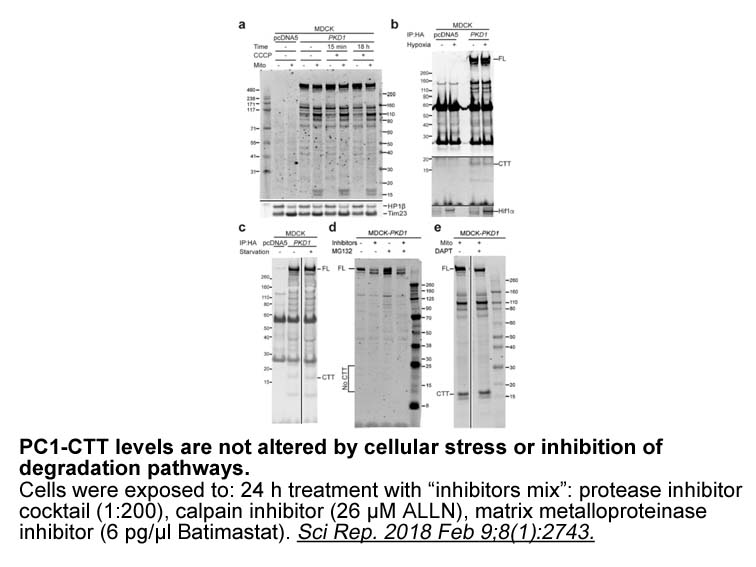
Introduction The process of mitosis is highly complex and tightly regulated. This phase of the Gadodiamide australia resulted in two identical daughter cells. The aurora kinases (aurora A, B, and C) are a family of three highly homologous serine-threonine protein kinases that play a key role in r
-
Introduction Cytochrome P CYP aromatase catalyzes the
2024-05-11
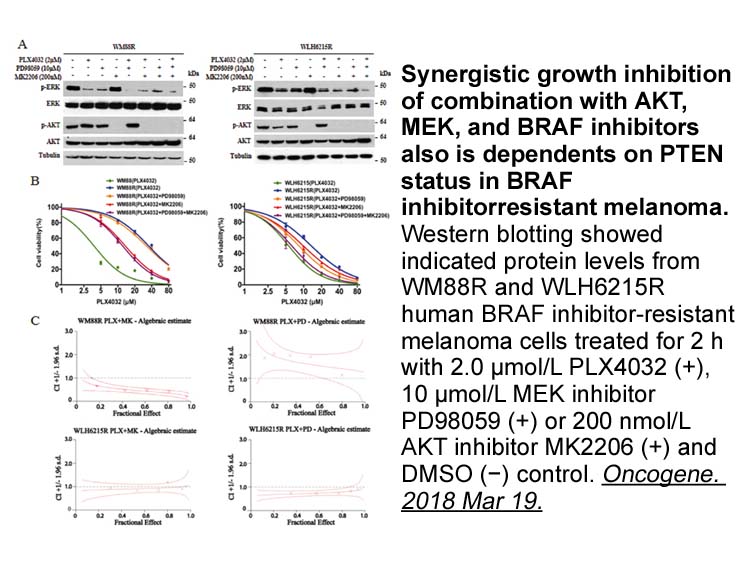
Introduction Cytochrome P450 19 (CYP19; aromatase) catalyzes the conversion of androgens to estrogens in a three-reaction sequence, where each step depends on NADPH and O2 [[1], [2], [3]]. The first two steps are accepted to be hydroxylations of the steroid C19 methyl group, whereas the final step
-
This study evaluated the anti tumor influences of LA
2024-05-11

This study evaluated the anti-tumor influences of LA against HepG2 neurokinin 1 receptor in vivro, and investigated the molecular mechanisms of inducing apoptosis. Overall, our studies suggested that LA is a promising anti-cancer drug and a possible novel therapeutic agent directed toward the mitoc
-
br Acknowledgments br Protein microarrays were developed to
2024-05-11
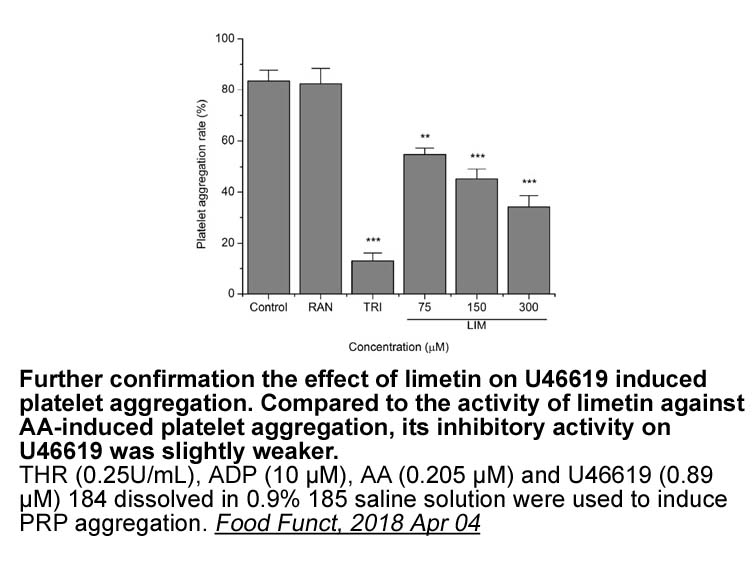
Acknowledgments Protein microarrays were developed to provide miniaturized high-throughput tools to study protein function, AR 231453 and post-translational modifications. Just a few years ago, the seminal work performed in Stuart Schreiber's laboratory at Harvard University () and at Michael
16105 records 180/1074 page Previous Next First page 上5页 176177178179180 下5页 Last page