Archives
- 2026-07
- 2026-06
- 2026-05
- 2026-04
- 2026-03
- 2026-02
- 2026-01
- 2025-12
- 2025-11
- 2025-10
- 2025-09
- 2025-03
- 2025-02
- 2025-01
- 2024-12
- 2024-11
- 2024-10
- 2024-09
- 2024-08
- 2024-07
- 2024-06
- 2024-05
- 2024-04
- 2024-03
- 2024-02
- 2024-01
- 2023-12
- 2023-11
- 2023-10
- 2023-09
- 2023-08
- 2023-06
- 2023-05
- 2023-04
- 2023-03
- 2023-02
- 2023-01
- 2022-12
- 2022-11
- 2022-10
- 2022-09
- 2022-08
- 2022-07
- 2022-06
- 2022-05
- 2022-04
- 2022-03
- 2022-02
- 2022-01
- 2021-12
- 2021-11
- 2021-10
- 2021-09
- 2021-08
- 2021-07
- 2021-06
- 2021-05
- 2021-04
- 2021-03
- 2021-02
- 2021-01
- 2020-12
- 2020-11
- 2020-10
- 2020-09
- 2020-08
- 2020-07
- 2020-06
- 2020-05
- 2020-04
- 2020-03
- 2020-02
- 2020-01
- 2019-12
- 2019-11
- 2019-10
- 2019-09
- 2019-08
- 2019-07
- 2019-06
- 2019-05
- 2019-04
- 2018-11
- 2018-10
- 2018-07
-
Of xenobiotic quinones thymoquinone methyl isopropyl benzoqu
2022-06-13
Of xenobiotic quinones, thymoquinone (2-methyl-5-isopropyl-1,4-benzoquinone; Fig. 1) is one of the most thoroughly studied for its pharmacological properties. It is the most active component of Nigella sativa, commonly called black cumin2, 3, the essential oil of the seeds of which are used for trea
-
Lean mass is representative of the muscle tissue mass
2022-06-13
Lean mass is representative of the muscle tissue mass equivalent of all the body parts containing water, excluding fat, bone minerals, and such substances which do not contribute to the NMR signal, such as hair, claws, etc. (ECHO-MRI (Houston, TX) user's manual). It was interesting that in the Bob-C
-
The action of niacin in upregulating
2022-06-13

The action of niacin in upregulating cAMP is most likely determined by the milieu of adenylyl cyclase isoforms expressed in macrophages that are responsive to GPR109A activation. Several adenylyl cyclase isoforms, namely AC2, AC4 and AC7, are responsive to the stimulatory action of Gβγ G-protein sub
-
br Materials and methods br Results Aberrant A has been
2022-06-13
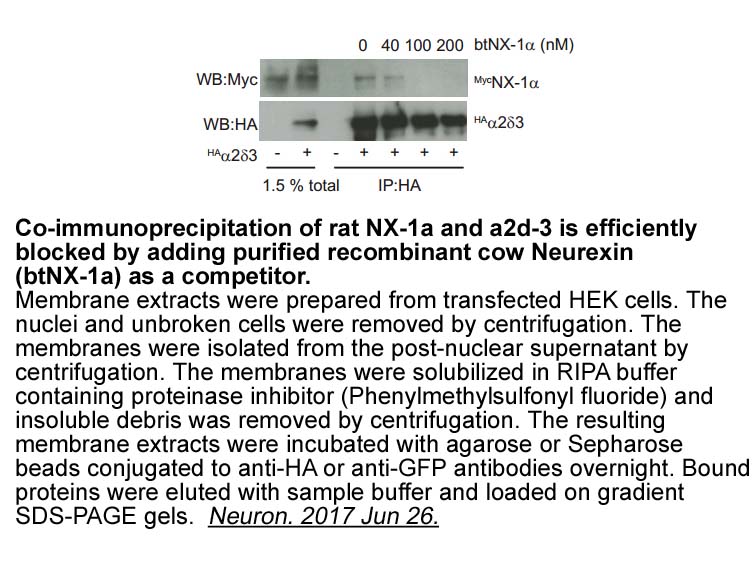
Materials and methods Results Aberrant Aβ has been suggested to be an initiating factor for glutamate excitotoxicity in AD pathology. To investigate whether Aβ1-42 alters glutamate uptake in astrocytes, neurons, and astrocyte-neuron co-cultures, we used synthetic Aβ1-42 peptide. Aβ1-42 has fas
-
br Ca influx through glutamate receptors is
2022-06-13
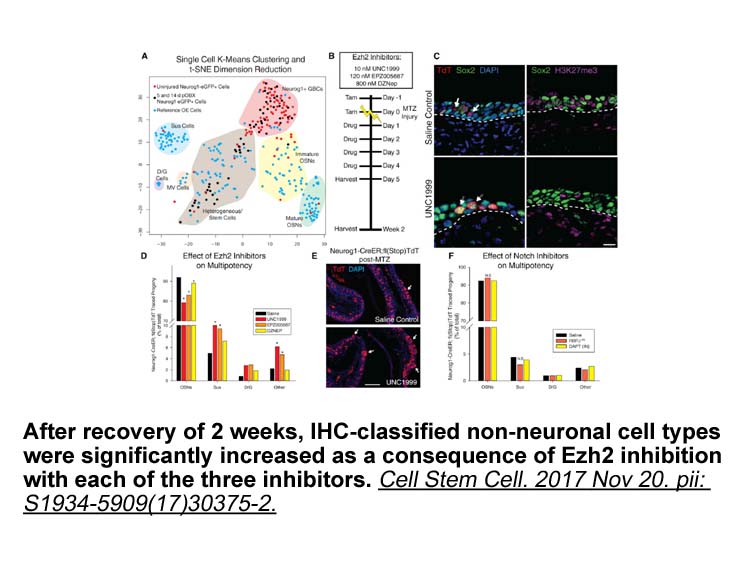
Ca2+ influx through glutamate receptors is thought to play a critical role in synaptogenesis and in the formation of neuronal circuitry during early development[45]. Because AMPA receptors might contribute to these processes, particularly at times and in cells in which NMDA receptor expression is
-
Although our knowledge of how FAs
2022-06-10
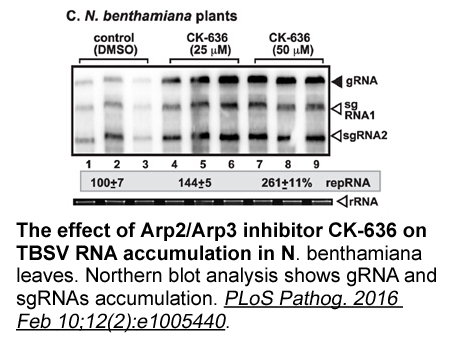
Although our knowledge of how FAs affect GLP-1-producing L-cells is sparse and incomplete, increased intracellular ceramide [6], ER stress [12], and increased production of ROS [9] are indicated mediators of the lipotoxicity induced by SFA (16:0). However, the role for/interaction between these medi
-
br Materials and methods br Results
2022-06-10
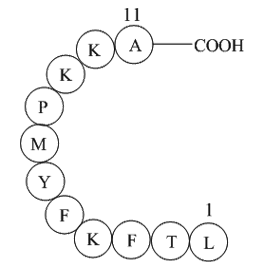
Materials and methods Results Discussion Induction of neuronal cell death is the main neurotoxic mechanism of arsenite (Vahidnia et al., 2007). Previous studies have demonstrated that arsenite may trigger neuronal cell death via apoptosis, autophagy as well as necrosis (Yen et al., 2012; La
-
br Importance of iron and lipoxygenase in
2022-06-10
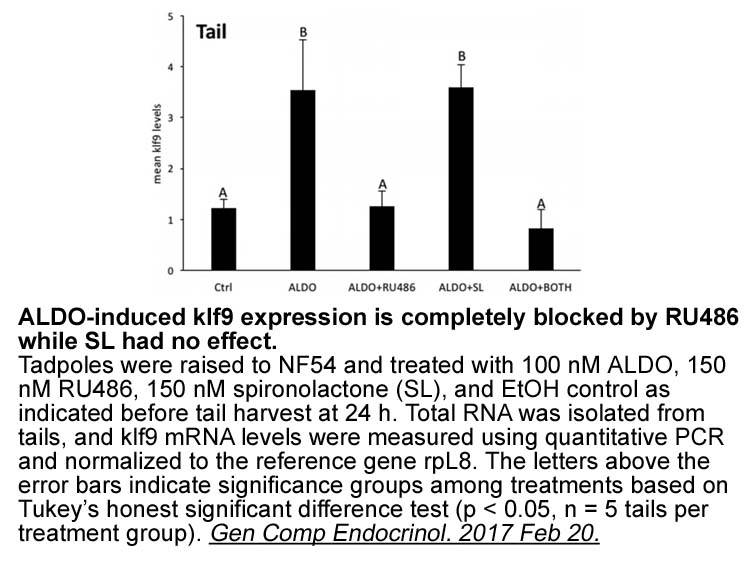
Importance of iron and lipoxygenase in ferroptosis What remains to be somewhat controversial is the role of iron and lipoxygenases (LOX) in the death process, specifically in lipid peroxidation. So far, iron chelators have been repeatedly shown to halt ferroptosis (hence its name) induced by chem
-
In the course of an internal FAAH program many very
2022-06-10
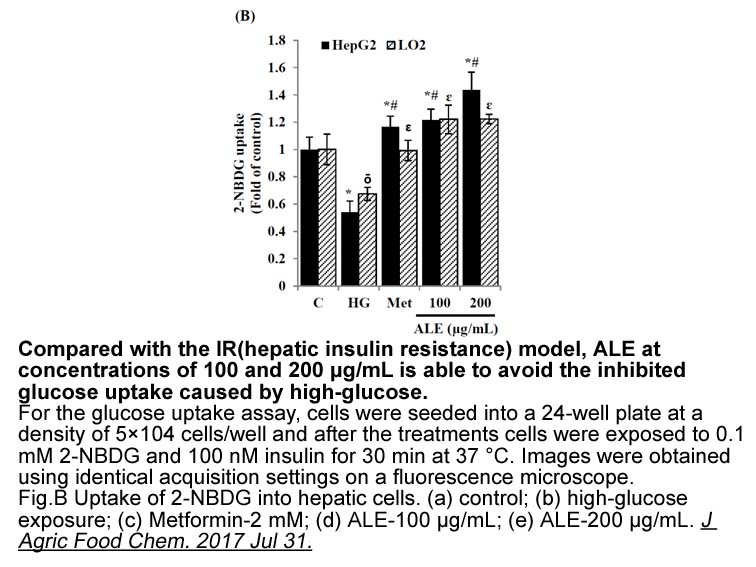
In the course of an internal FAAH, program,, , , , , , , , , , , , , many very similar compounds were profiled in vivo with particular interest paid to their ability to penetrate the BBB. The compounds profiled were heteroaryl piperazinyl and piperadinyl ureas; a class of compounds, reported on pr
-
The newest histamine receptor to be
2022-06-10
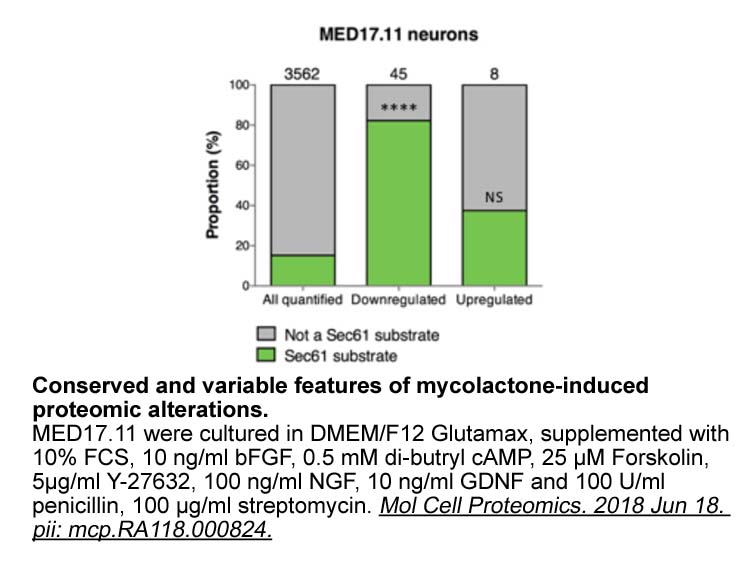
The newest histamine receptor to be discovered is the H4 receptor, which was identified in humans and cloned in 2000 (Thurmond, 2010). Genetically, the H4 receptor is closely related to the H3 receptor, but is restricted to Zalcitabine synthesis within the spleen, intestines and thymus, and to immu
-
Nuclear factor erythroid like NFE
2022-06-10
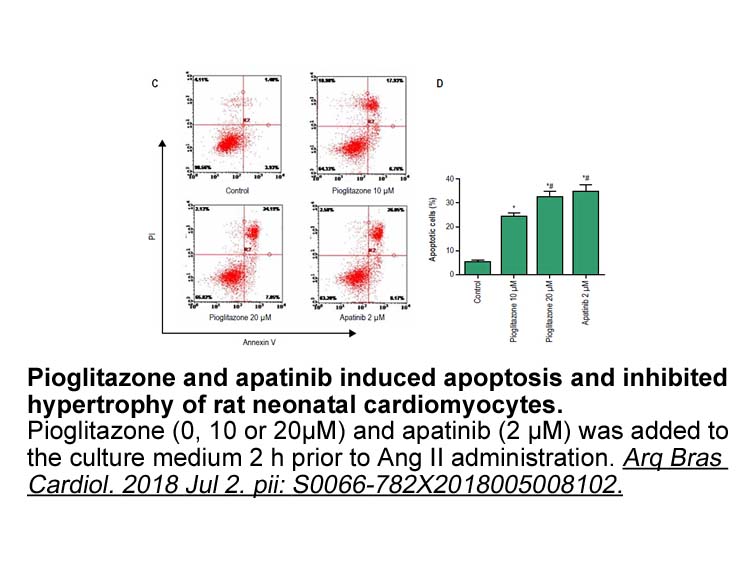
Nuclear factor erythroid 2-like-2 (NFE2L2; hereafter NRF2) plays a crucial role in the basal and inducible expressions of multiple cytoprotective genes in response to electrophilic and oxidative stress [23]. The cytosolic actin-binding protein Kelch-like ECH-associated protein 1 (KEAP1) primarily re
-
The central region of Azalanstat
2022-06-10
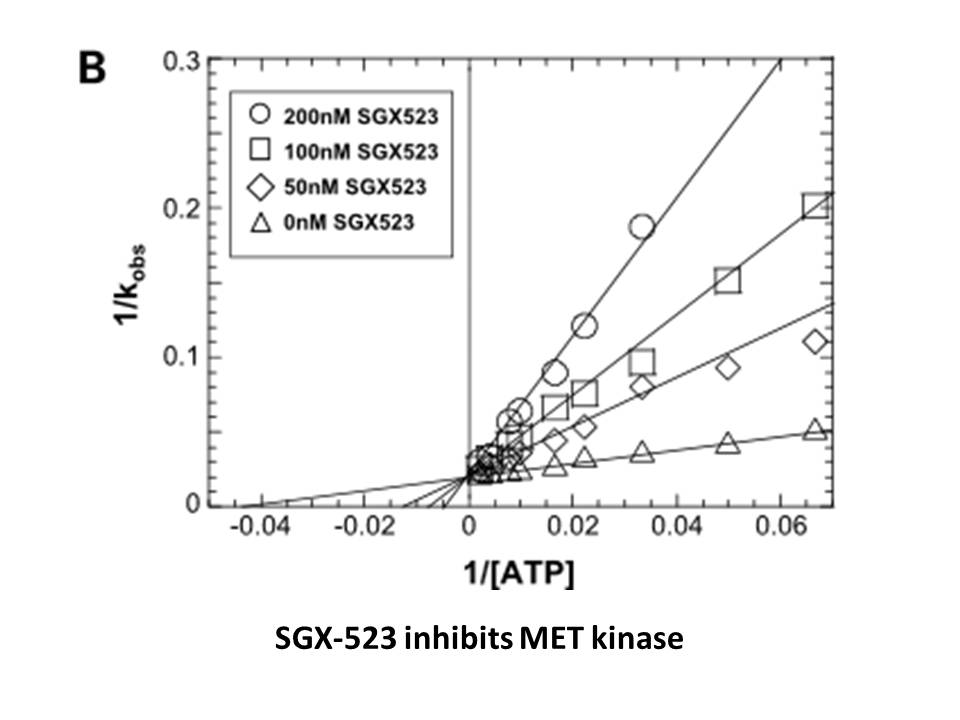
The central region of Azalanstat can be substituted with connecting alkyl chains of different nature and length. Interesting results were given by compounds with a four or five CORM-3 chain, incorporating heteroatoms, such as oxygen (Fig. 2, compound 4) or sulfur, and different functional groups su
-
Our results show that deletion
2022-06-10
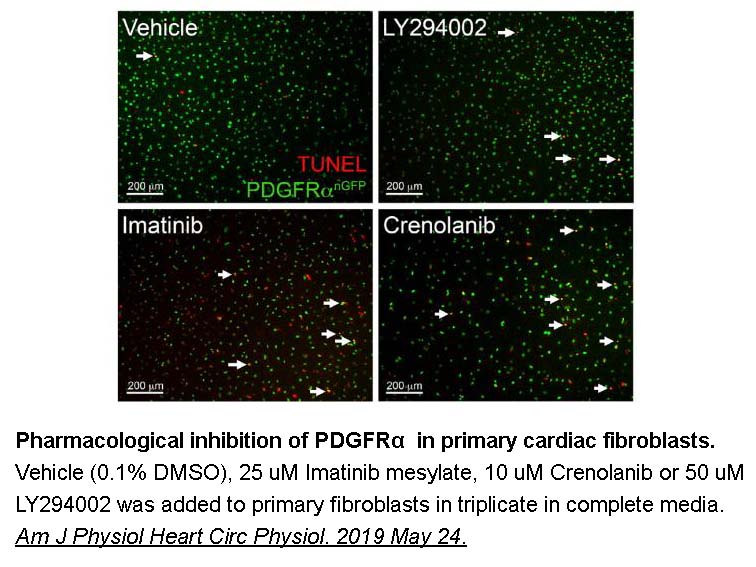
Our results show that deletion of the first loop of Obg does not abolish the augmentation of the GTPase activity of CgtAvc, revealing that the first loop is mainly responsible for the anchoring of the protein in the 50S and the transient interaction with ribosome is enough for augmentation of GTPase
-
Phagocytosis was observed at min after mixing macrophages wi
2022-06-10
Phagocytosis was observed at 60 min after mixing macrophages with microbes (A). The phagocytosis ability (PA) and phagocytosis index (PI) values of the macrophages engulfing the bacteria measured in flow cytometer were shown in histograms (B). Statistical analyses revealed that both the PA and PI va
-
In our studies the EC
2022-06-09
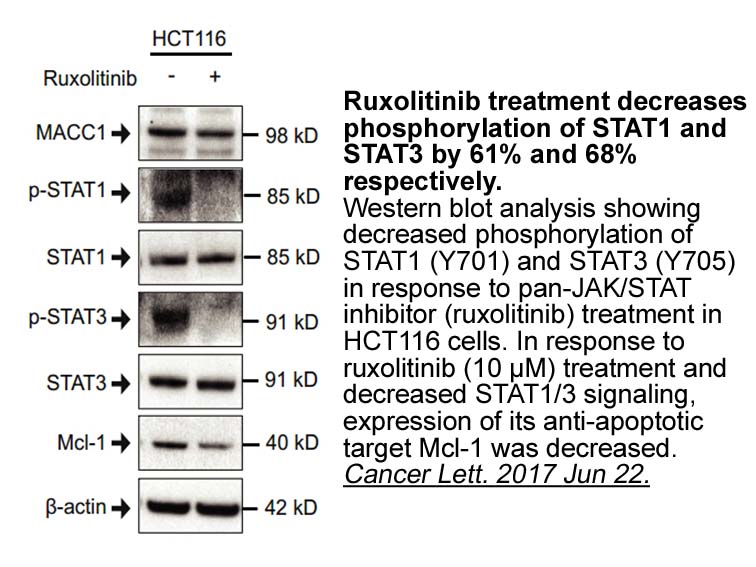
In our studies, the EC50 values for long-chain unsaturated fatty acids added to the short form of human GPR120 receptor (BC101175), were higher than the EC50 values previously reported (Hirasawa et al., 2005) for the long form of GPR120 (NM_181745), which was co-expressed with Gα16 protein.(Table 2)
16109 records 439/1074 page Previous Next First page 上5页 436437438439440 下5页 Last page